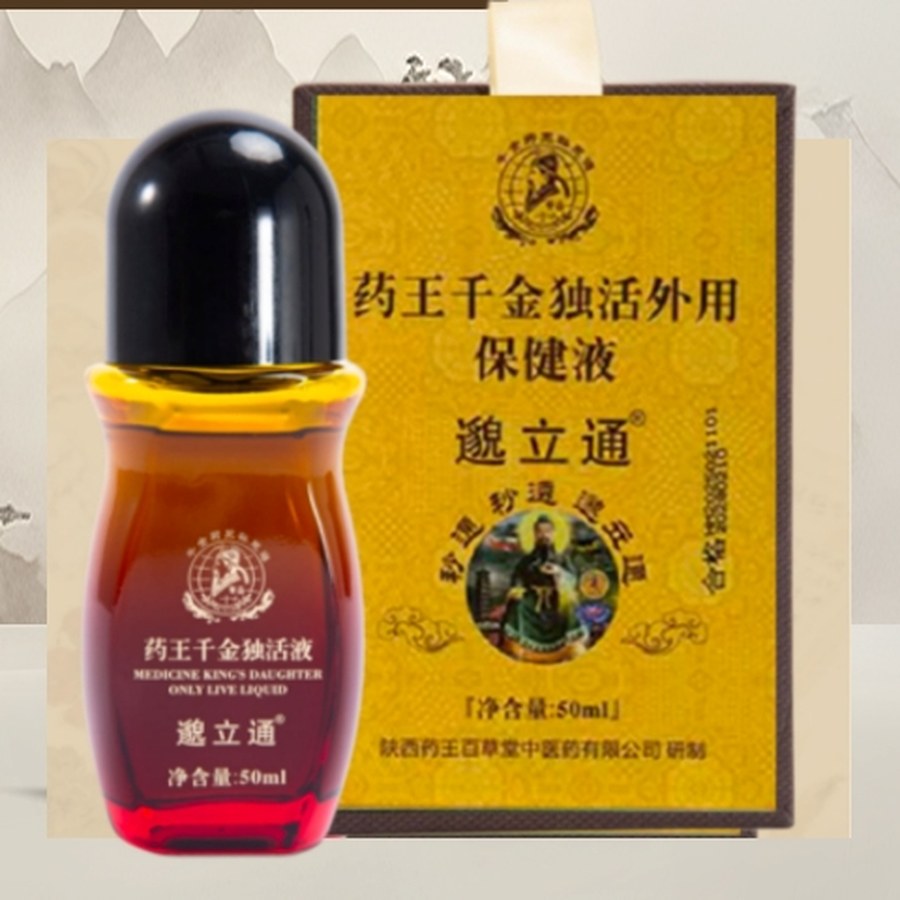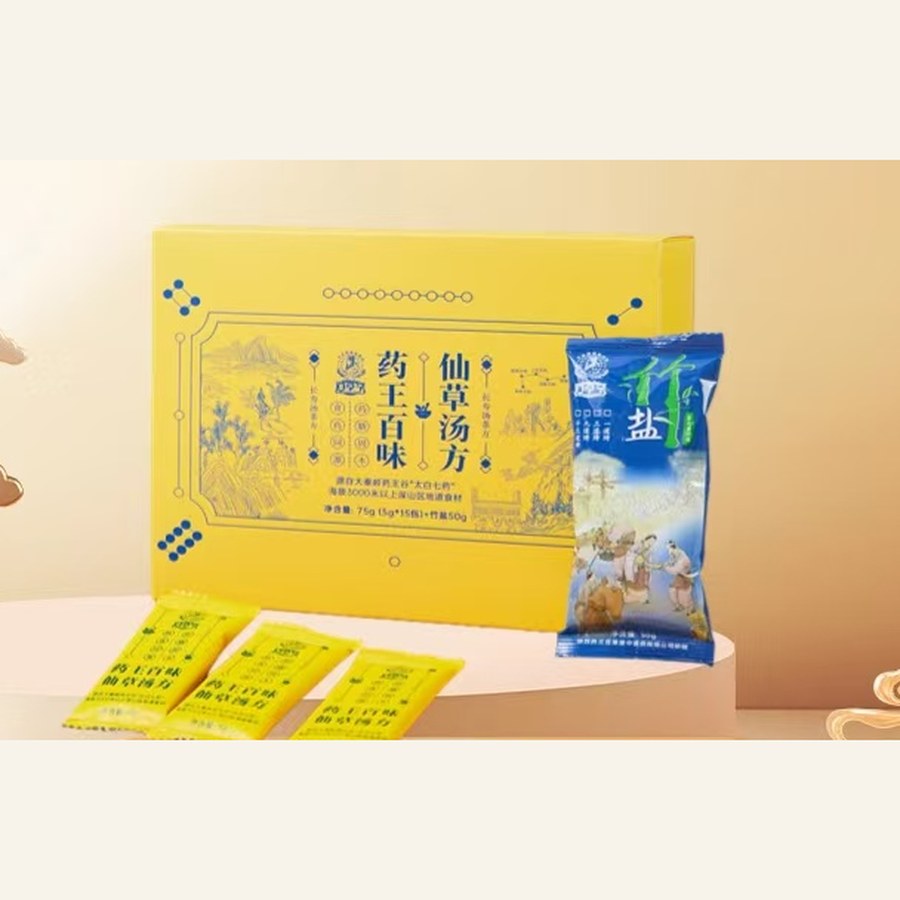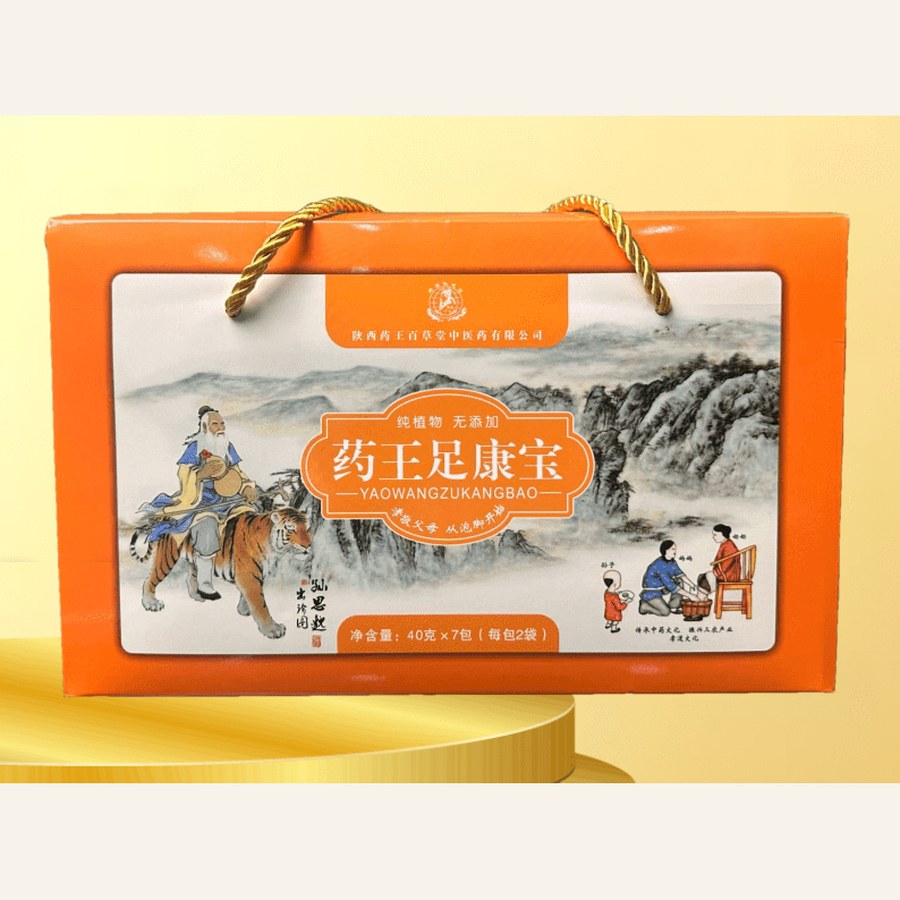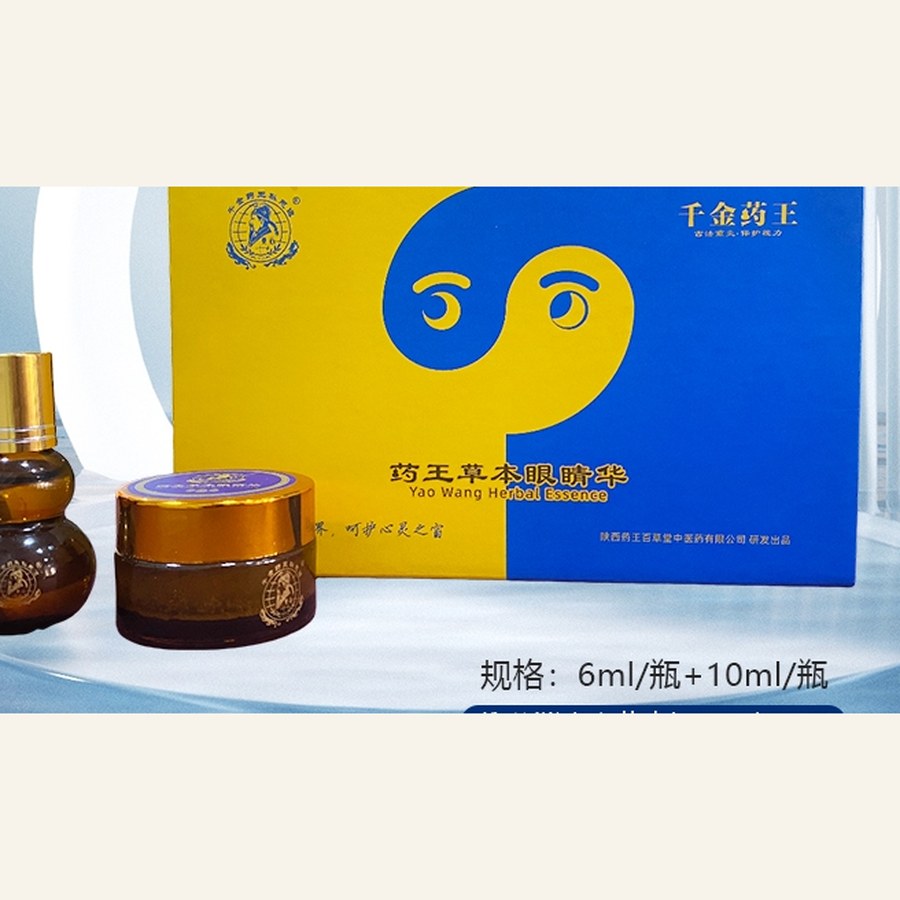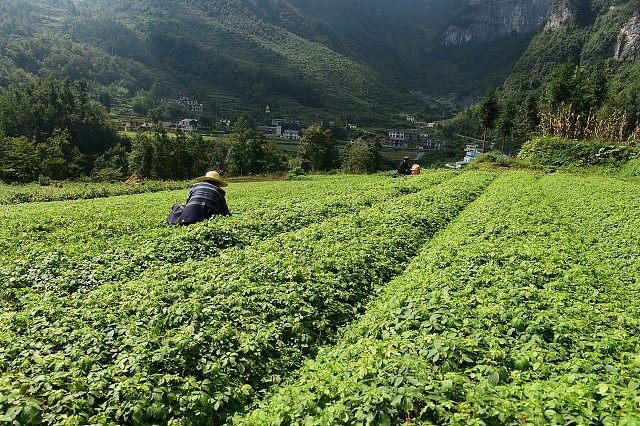
Sixty thousand mu of our own herb-growing land on Mount Taibai — the main peak of the Qinling range and one of China's three great herb mountains. We harvest by solar term, process in Xi'an, Shenzhen and Macau, and record every batch from plot to box.
Food-herb and lifestyle only. Not medicine, not medical advice.
Taibai is the main peak of the Qinling range, the highest point east of the Tibetan Plateau, and one of China's three great herb mountains — the other two being Shennongjia and Changbai. Its seventy-two local herbs, known locally as the "seven-medicine" set, have been used in folk practice for centuries.
We farm 60,000+ mu here today, under a zero-residue protocol aimed at pesticide, heavy-metal and hormone residues, and we plan to expand to 500,000 mu. The same protocol is what allows us to print a batch number on every box and stand behind it.
| Step | How it works |
|---|---|
| Harvest | By species and solar term; plot, altitude and harvest date recorded |
| Primary processing | Washing, slicing, drying; pesticide and heavy-metal checks before release |
| Production | Seasonal boxes and gift sets; small-batch and export runs separately |
| Traceability | Inner code → plot → harvest batch → factory → lot number → report |
Growing area, park acreage and processing details are as stated by the group; plot-level filings and test reports are being added batch by batch.
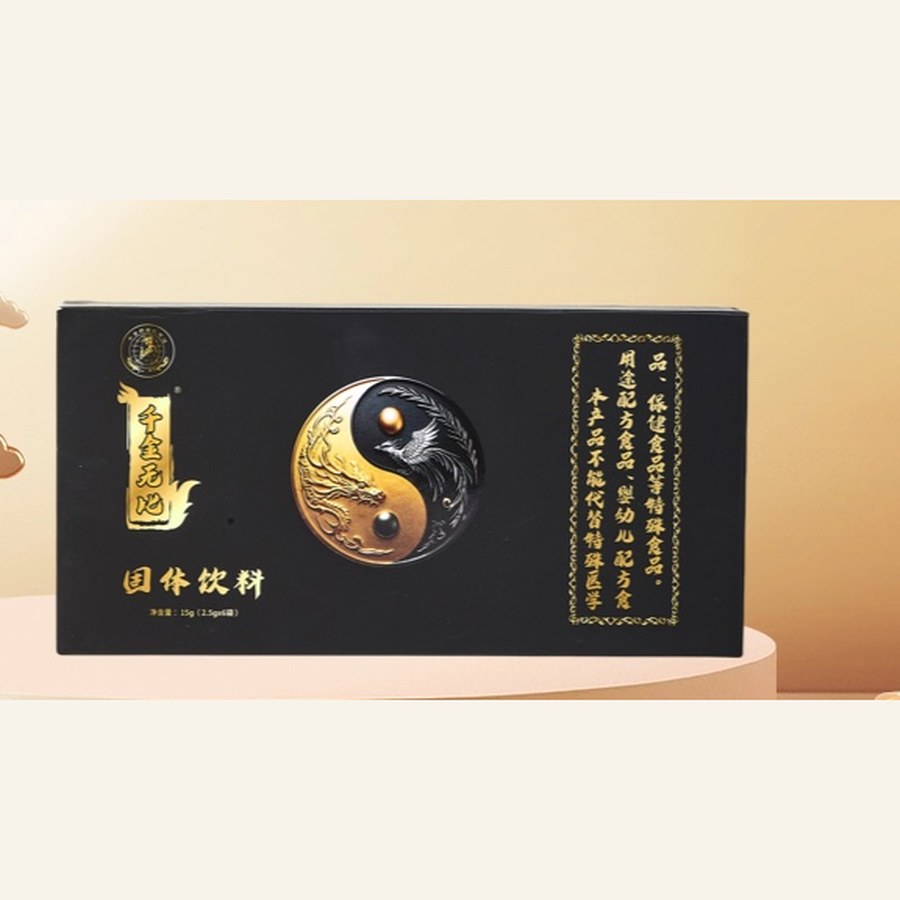
Every item is a food or a topical product. We describe what is in it, how it is used and who should skip it — never what it will cure.


All items are ordinary foods or topical care products. They are not medicines and are not intended to diagnose, treat, cure or prevent any disease. Prices are quoted per market; please enquire.
"Treat the illness first; then feed the body." — the layering we work on is ingredients, timing, warmth and rhythm.
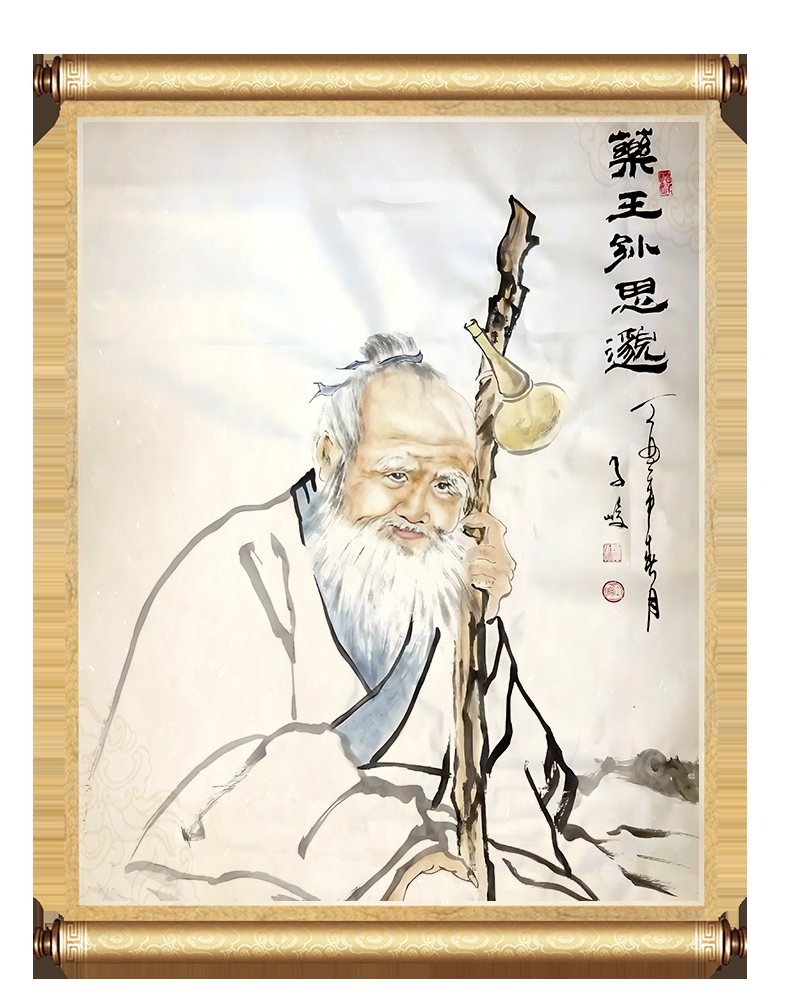
Sun Simiao (541–682) compiled Beiji Qianjin Yaofang and its sequel Qianjin Yifang, and led the first state pharmacopoeia, the Tang Xin Bencao. Later generations called him the Medicine King and renamed his home mountain after him. What we borrow from him is the food layer — what to eat in each season, how to cook it, and when to leave it alone.
We describe a food-herb tradition and a supply chain. We do not claim a lineage title, and we do not present traditional use as clinical evidence.
Figures are taken from the group's own material. Built assets are stated as current; expansion targets are marked "planned" and are never presented as existing scale.
| Item | Today | Planned |
|---|---|---|
| Own herb-growing land, Mount Taibai | 60,000+ mu (≈4,000 ha), zero-residue protocol | Expand to 500,000 mu |
| Yaowang Mountain wellness park (Tongchuan) | 532 mu (≈88 acres): culture & experience 165 mu, science & innovation 122 mu, eco-residence 245 mu | — |
| Tongchuan soup banquet | 540 dishes in five tiers of 108 each, all slow-simmered | — |
| Processing | Xi'an (group-controlled producer); Shenzhen (Kangsde protein engineering, 1998, Ping Shan national biopharma park, class-100,000 GMP); Macau (research institute partnership) | — |
| Experience halls | — | 100,000 |
| Wellness & TCM clinics | — | 10,000 |
| Longevity halls | — | 1,000 (one per district) |
| Wellness bases | — | 300 |
| Valleys | — | 100 |
Rows marked "planned" are expansion targets and are not built. The Qinling, Changbai, Tianshan, Kunlun and Dabie mountain sites are cooperative and demonstration growing bases, not wholly owned.
Not renders of a future we cannot show you. These are the places goods actually come out of.
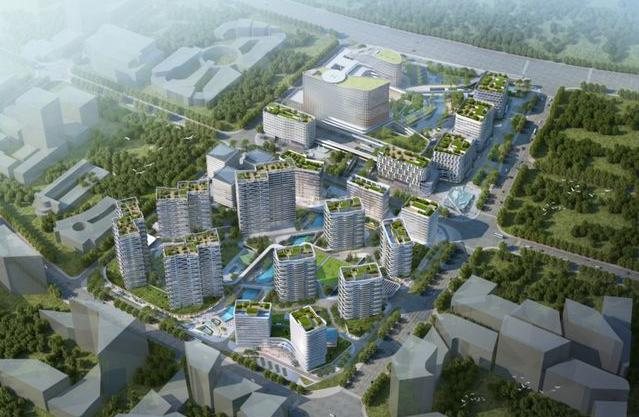
532 mu at Yaowang Mountain, Tongchuan: culture & experience 165 mu, science & innovation 122 mu, eco-residence 245 mu. The master plan shown; buildings are phased.
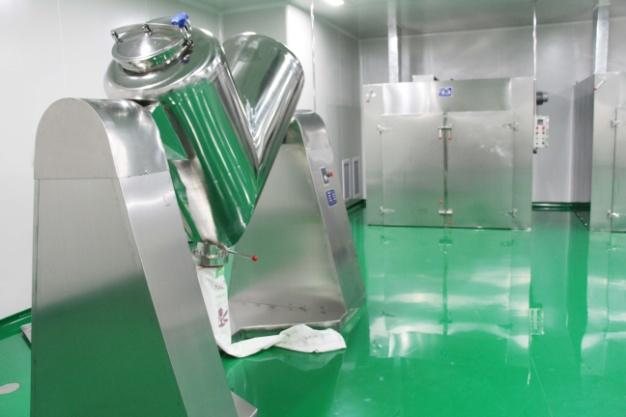
Stainless process line inside the Shenzhen plant, Ping Shan national biopharma park. Class-100,000 GMP clean area.
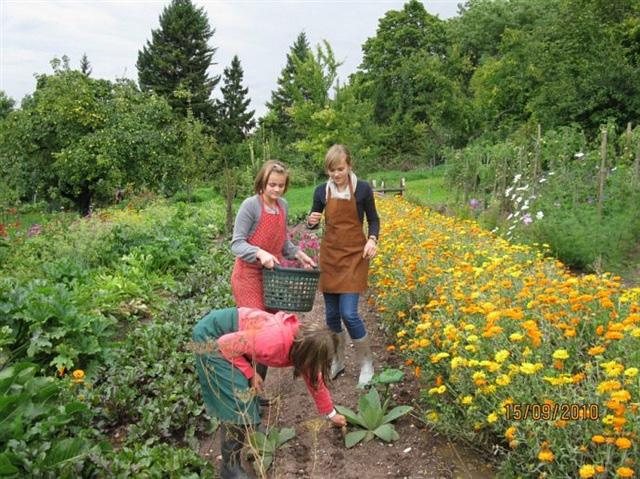
Picked by species and term. Plot, altitude and date go into the batch record before the herb leaves the mountain.
No exaggeration and no promises. A rhythm that follows the year: what is in season this term, how to cook it, who should skip it.
Each solar term maps to a set of herbs from the 106 food-herb materials. Seasonality is the argument — not efficacy.
Nine questions sort you into cool, warm, deficient or balanced. It is a food direction, never a diagnosis.
Content and a coded short link bring people to a table. No payment, no diagnosis and no membership card at the session itself.
Four tiers, four different rules. This is the part most brands skip, and the part that decides whether you can still be here in ten years.
Ordinary food sells normally. Blue-hat health food is in-store only and never endorsed. Sanitising products stay on cleaning claims. Hospital preparations never go online.
The item goes offline the moment a licence expires. Nobody has to remember it, and there is no room for an oversight.
Ingredients, process, how to serve it, who should avoid it. No disease names, no promised outcomes. If you feel unwell, please see a doctor.
Product payments go to the company account. Partner service fees are settled and invoiced separately, with real service records. The books and the documents match.
Franchising is not open yet: regulation requires two company-owned stores trading for a full year first, and we are not there. What is open now are three service partnerships — terms agreed up front, no stock loading, no territory sold.
| Type | How it works | How it settles |
|---|---|---|
| Venue | Tea rooms, bookshops, clubs and wellness centres hosting sessions | Fixed session fee, small capped share |
| Clinic | Multi-purpose room rental, or we buy constitution consultations | Session fee and per-visit service fee, never a sales percentage |
| City partner | Venue development and attendance for one city | Fixed service fee plus capped promotion fee; territory not sold |
Partners never collect product payments, never produce efficacy material, never keep customer data.